1. Introduction
Post-viral syndromes represent a heterogeneous group of clinical conditions characterized by the persistence of symptoms following apparent recovery from an acute viral infection. Fatigue, cognitive impairment, sleep disturbances, pain, and autonomic dysfunction are among the most frequently reported features, often leading to substantial functional limitation and reduced quality of life. These syndromes have been described after multiple viral outbreaks, including influenza, Epstein-Barr virus, and other coronaviruses, highlighting a recurring pattern of post-infectious morbidity
| [1] | Chandan JS, Brown K, Simms-Williams N, Camaradou J, Bashir NZ, Heining D, et al. Non-pharmacological therapies for post-viral syn-dromes, including Long COVID: a systematic review and me-ta-analysis protocol. BMJ Open. 2022; 12(4): e057885.
https://doi.org/10.1136/bmjopen-2021-057885 |
| [10] | Carruthers BM, van de Sande MI, De Meirleir KL, Klimas NG, Broderick G, Mitchell T, et al. Myalgic encephalomyelitis/chronic fatigue syndrome: Canadian Consensus Criteria. J Chronic Fatigue Syndr. 2012; 17(2-3): 7-115. Available from: https://rme.nu/wp-content/uploads/2023/06/Canadian-definition-2.pdf |
| [11] | Fernández-Solà J. Chronic fatigue syndrome: current situation. Rev Clin Esp. 2011; 211(8): 407-409.
https://doi.org/10.1016/j.rce.2011.05.006 |
| [12] | Cuesta-Llavona A, González-Trujillo R, Martín-Cabeza R, et al. Long COVID-19 and myalgic encephalomyelitis/chronic fatigue syndrome: similarities and differences of two peas in a pod. Reumatol Clin. 2022; 18(10): 623-631.
https://doi.org/10.1016/j.reuma.2022.06.002 |
[1, 10-12]
.
Since the emergence of the Severe acute respiratory syndrome coronavirus 2 (SARS-CoV-2) pandemic, increasing attention has been directed toward the post-acute sequelae of Coronavirus disease 2019 (COVID-19), commonly referred to as Long COVID or post-acute sequelae of SARS-CoV-2 infection (PASC)
| [2] | Rahmati M, Udeh R, Kang J, Dolja-Gore X, McEvoy M, Kazemi A, et al. Long-term sequelae of COVID-19: a systematic review and me-ta-analysis of symptoms 3 years post-SARS-CoV-2 infection. J Med Virol. 2025; 97(6): e70429. https://doi.org/10.1002/jmv.70429 |
| [3] | Alkodaymi MS, Omrani OA, Fawzy NA, Shaar BA, Almamlouk R, Riaz M, et al. Prevalence of post-acute COVID-19 syndrome symp-toms at different follow-up periods: a systematic review and me-ta-analysis. Clin Microbiol Infect. 2022; 28(5): 657-666. https://doi.org/10.1016/j.cmi.2022.01.014 |
| [4] | Fernández-de-Las-Peñas C, Pellicer-Valero OJ, Navarro-Pardo E, Palacios-Ceña D, Florencio LL, Guijarro C, Martín-Guerrero JD. Symptoms experienced at the acute phase of SARS-CoV-2 infection as risk factors of long-term post-COVID symptoms. Int J Infect Dis. 2022; 116: 241-244.
https://doi.org/10.1016/j.ijid.2022.01.007 |
| [5] | Koc HC, Xiao J, Liu W, Li Y, Chen G. Long COVID and its man-agement. Int J Biol Sci. 2022; 18(12): 4768-4780.
https://doi.org/10.7150/ijbs.75056 |
[2-5]
.
Long COVID encompasses a broad spectrum of persistent symptoms lasting weeks to months after the acute phase, irrespective of initial disease severity or hospitalization status. Although Long COVID may follow mild acute infection, the severity of acute disease and the need for organ support can influence downstream outcomes and complicate phenotyping in post-acute cohorts
| [6] | Domecq JP, Lal A, Sheldrick CR, Kumar VK, Boman K, Bolesta S, et al. Outcomes of patients with coronavirus disease 2019 receiving organ support therapies. Crit Care Med. 2021; 49(3): 437-448.
https://doi.org/10.1097/CCM.0000000000004879 |
[6]
. Epidemiological data suggest that although most individuals recover fully, a clinically significant proportion develop prolonged symptoms, with neurological manifestations among the most prevalent and disabling
| [5] | Koc HC, Xiao J, Liu W, Li Y, Chen G. Long COVID and its man-agement. Int J Biol Sci. 2022; 18(12): 4768-4780.
https://doi.org/10.7150/ijbs.75056 |
| [9] | Soriano JB, Murthy S, Marshall JC, Relan P, Diaz JV; WHO Clinical Case Definition Working Group on Post-COVID-19 Condition. A clinical case definition of post-COVID-19 condition by a Delphi consensus. Lancet Infect Dis. 2021; 21(11): e601-e607. https://doi.org/10.1016/S1473-3099(21)00703-9. |
[5, 9]
.
Neurological involvement in Long COVID has been widely reported, affecting both the central and peripheral nervous systems. Common manifestations include persistent fatigue, “brain fog,” headache, cognitive dysfunction, sleep disorders, neuropathic pain, sensory disturbances, and dysautonomia
| [7] | Nabavi N. Long COVID: how to define it and how to manage it. BMJ. 2020; 370: m3489.
https://doi.org/10.1136/bmj.m3489 |
| [8] | Callard F, Perego E. How and why patients made Long COVID. Soc Sci Med. 2021; 268: 113426.
https://doi.org/10.1016/j.socscimed.2020.113426 |
| [9] | Soriano JB, Murthy S, Marshall JC, Relan P, Diaz JV; WHO Clinical Case Definition Working Group on Post-COVID-19 Condition. A clinical case definition of post-COVID-19 condition by a Delphi consensus. Lancet Infect Dis. 2021; 21(11): e601-e607. https://doi.org/10.1016/S1473-3099(21)00703-9. |
| [14] | Mina Y, Enose-Akahata Y, Hammoud DA, Videckis AJ, Narpala SR, O’Connell SE, et al. Deep phenotyping of neurologic post-acute sequelae of SARS-CoV-2 infection. Neurol Neuroimmunol Neu-roinflamm. 2023; 10(4): e200097.
https://doi.org/10.1212/NXI.0000000000200097 |
[7-9, 14]
. These symptoms often coexist with systemic features such as dyspnea, palpitations, gastrointestinal complaints, and exercise intolerance, reinforcing the concept of Long COVID as a multisystem disorder rather than an isolated neurological condition
. Recent integrative reviews and mechanistic studies suggest that neurological manifestations of Long COVID are driven by interacting pathways that include immune dysregulation and neuroinflammation, endothelial and microvascular dysfunction, mitochondrial and metabolic impairment, autonomic network disruption, and possible viral persistence or immune-mediated injury
| [14] | Mina Y, Enose-Akahata Y, Hammoud DA, Videckis AJ, Narpala SR, O’Connell SE, et al. Deep phenotyping of neurologic post-acute sequelae of SARS-CoV-2 infection. Neurol Neuroimmunol Neu-roinflamm. 2023; 10(4): e200097.
https://doi.org/10.1212/NXI.0000000000200097 |
| [24] | Davis HE, McCorkell L, Vogel JM, Topol EJ. Long COVID: major findings, mechanisms and recommendations. Nat Rev Microbiol. 2023; 21: 133-146.
https://doi.org/10.1038/s41579-022-00846-2 |
| [25] | Proal AD, VanElzakker MB. Long COVID or post-acute sequelae of COVID-19 (PASC): An overview of biological factors that may contribute to persistent symptoms. Trends Immunol. 2021; 42(11): 1064-1077.
https://doi.org/10.1016/j.it.2021.09.001 |
| [26] | Yong SJ. Persistent brainstem dysfunction in Long COVID: A hy-pothesis. ACS Chem Neurosci. 2021; 12(4): 573-580. https://doi.org/10.1021/acschemneuro.0c00793 |
[14, 24-26]
.
A notable challenge in the clinical characterization of Long COVID lies in its marked heterogeneity. Symptom onset, severity, duration, and trajectory vary considerably across individuals, with some patients experiencing gradual improvement and others developing a chronic, fluctuating course
| [1] | Chandan JS, Brown K, Simms-Williams N, Camaradou J, Bashir NZ, Heining D, et al. Non-pharmacological therapies for post-viral syn-dromes, including Long COVID: a systematic review and me-ta-analysis protocol. BMJ Open. 2022; 12(4): e057885.
https://doi.org/10.1136/bmjopen-2021-057885 |
| [8] | Callard F, Perego E. How and why patients made Long COVID. Soc Sci Med. 2021; 268: 113426.
https://doi.org/10.1016/j.socscimed.2020.113426 |
| [9] | Soriano JB, Murthy S, Marshall JC, Relan P, Diaz JV; WHO Clinical Case Definition Working Group on Post-COVID-19 Condition. A clinical case definition of post-COVID-19 condition by a Delphi consensus. Lancet Infect Dis. 2021; 21(11): e601-e607. https://doi.org/10.1016/S1473-3099(21)00703-9. |
[1, 8, 9]
. This variability complicates diagnosis, prognosis, and management, and underscores the absence of universally accepted diagnostic criteria and validated biomarkers
| [9] | Soriano JB, Murthy S, Marshall JC, Relan P, Diaz JV; WHO Clinical Case Definition Working Group on Post-COVID-19 Condition. A clinical case definition of post-COVID-19 condition by a Delphi consensus. Lancet Infect Dis. 2021; 21(11): e601-e607. https://doi.org/10.1016/S1473-3099(21)00703-9. |
[9]
.
Importantly, substantial clinical and mechanistic overlap has been observed between Long COVID and myalgic encephalomyelitis/chronic fatigue syndrome (ME/CFS), a chronic, post-infectious disorder characterized by post-exertional symptom exacerbation, cognitive impairment, sleep disturbances, and autonomic dysfunction
. Shared pathophysiological hypotheses—including mitochondrial dysfunction, oxidative stress, immune dysregulation, neuroinflammation, and endothelial involvement—suggest that Long COVID may represent part of a broader spectrum of post-viral neurological syndromes
| [12] | Cuesta-Llavona A, González-Trujillo R, Martín-Cabeza R, et al. Long COVID-19 and myalgic encephalomyelitis/chronic fatigue syndrome: similarities and differences of two peas in a pod. Reumatol Clin. 2022; 18(10): 623-631.
https://doi.org/10.1016/j.reuma.2022.06.002 |
[12]
.
Although early reports primarily focused on adults, emerging evidence indicates that pediatric populations may also experience persistent neurological and neuropsychological manifestations following SARS-CoV-2 infection. These include headache, cognitive difficulties affecting academic performance, sensory disturbances, seizures, autonomic symptoms, and mood changes, raising concerns regarding long-term neurodevelopmental and psychosocial consequences
| [15] | Álvarez Cruz J, Blanco del Frade A, Carassou Gutiérrez M, Arteche Hidalgo LL, Romero Reinaldo Y, Santamaría Trujillo CL. Mani-festaciones neurológicas y psicológicas en pacientes pediátricos con-valecientes de la COVID-19. Rev Cubana Med Mil. 2023; 52(2): e2744. Available from: https://revmedmilitar.sld.cu/index.php/mil/article/view/2744 |
[15]
.
Despite the growing body of literature, significant gaps remain. There is limited integration of neurological findings across studies, inconsistency in outcome measures, and a lack of evidence-based therapeutic strategies. Current management approaches are largely symptomatic and individualized, reflecting the need for a comprehensive synthesis of available evidence to inform clinical practice and future research
| [16] | Chen H, Shi H, Liu X, Sun T, Wu J, Liu Z. Effect of pulmonary rehabilitation for patients with post-COVID-19: a systematic review and meta-analysis. Front Med (Lausanne). 2022 Feb 21; 9: 837420. https://doi.org/10.3389/fmed.2022.837420 |
| [17] | Notarte KI, Catahay JA, Velasco JV, Ver AT, Pangilinan FC, Casil JC, et al. Impact of COVID-19 vaccination on the risk of developing long COVID and on existing long COVID symptoms: a systematic review. EClinicalMedicine. 2022; 53: 101624. https://doi.org/10.1016/j.eclinm.2022.101624 |
| [18] | Asadi-Pooya AA, Nemati M, Shahisavandi M, Nemati H, Karimi A, Jafari A, et al. How does COVID-19 vaccination affect long-COVID symptoms? PLoS ONE. 2024; 19(2): e0296680. https://doi.org/10.1371/journal.pone.0296680 |
| [19] | Choi YJ, Seo YB, Seo J-W, Lee J, Nham E, Seong H, Yoon JG, Noh JY, Cheong HJ, Kim WJ, et al. Effectiveness of antiviral therapy on Long COVID: a systematic review and meta-analysis. J Clin Med. 2023; 12(23): 7375.
https://doi.org/10.3390/jcm12237375 |
| [20] | Zeraatkar D, Cusano E, Armstrong MJ, et al. Interventions for the management of long COVID (post-COVID-19 condition): a system-atic review. BMJ. 2024; 387: e081318.
https://doi.org/10.1136/bmj-2024-081318 |
| [21] | Vanderbilt Health. Baricitinib treatment on trial to reverse Long COVID effects. Vanderbilt Discoveries in Medicine. 2025 Jan. Available from:
https://discoveries.vanderbilthealth.com/2025/01/treatment-on-trial-to-reverse-long-covid-effects/ |
| [22] | Deng J, Qin C, Lee M, Lee Y, You M, Liu J. Effects of rehabilitation interventions for older adults with long COVID: a systematic review and meta-analysis of randomized controlled trials. J Glob Health. 2024; 14: 05025.
https://doi.org/10.7189/jogh.14.05025 |
| [23] | Green R, Wu Q, Li X, et al. A systematic review and meta-analysis of the impact of COVID-19 vaccination on long COVID outcomes. Nat Commun. 2025; 16: 65302.
https://doi.org/10.1038/s41467-025-65302-0 |
[16-23]
.
In addition to describing the clinical spectrum of neurological manifestations, this review specifically focuses on the pathophysiological mechanisms proposed to underlie neurological symptoms in Long COVID and related post-viral syndromes, integrating adult and pediatric evidence.
In this context, the present study aims to provide a qualitative systematic review of the neurological manifestations associated with post-viral syndrome and Long COVID, synthesizing evidence from 23 selected studies identified through a Preferred Reporting Items for Systematic Reviews and Meta-Analyses (PRISMA)-guided methodology. By integrating adult and pediatric data and situating Long COVID within the broader framework of post-infectious neurological disorders, this review seeks to clarify common clinical patterns, explore shared mechanisms, and highlight implications for diagnosis, management, and future investigation.
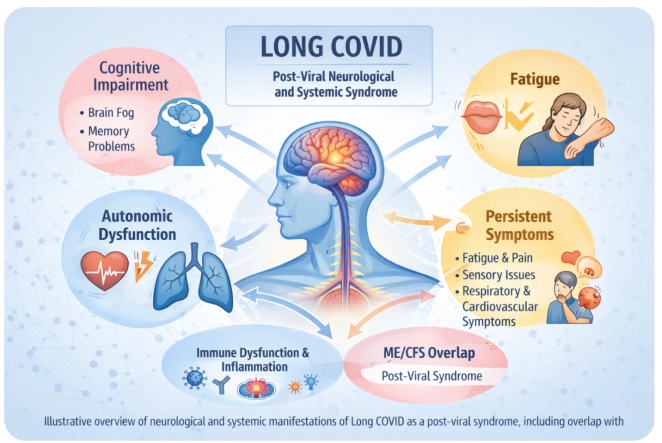
Figure 1 provides a conceptual framework summarizing the neurological and systemic features of Long COVID as a post-viral syndrome, as described in the literature. Figure 1. Conceptual Framework of Long COVID as a Post-Viral Neurological and Systemic Syndrome.
Conceptual illustration summarizing the neurological and systemic features of Long COVID as a post-viral condition. The framework highlights central and peripheral nervous system involvement, cognitive impairment, autonomic dysfunction, persistent fatigue, immune dysregulation, and overlap with myalgic encephalomyelitis/chronic fatigue syndrome (ME/CFS). This figure is intended to provide an overview of the clinical spectrum and shared mechanisms reported in the literature.
Source: Authors’ own elaboration.
3. Materials and Methods
3.1. Study Design
A systematic review of the literature was conducted in accordance with the Preferred Reporting Items for Systematic Reviews and Meta-Analyses (PRISMA) guidelines, focusing on post-viral syndrome and Long COVID, also referred to as post-acute sequelae of SARS-CoV-2 infection (PASC), with particular emphasis on neurological manifestations.
3.2. Search Strategy
A comprehensive literature search was performed using the electronic databases PubMed, Scopus, Web of Science, and SciELO. The search covered articles published between January 2020 and May 2025. The final literature search was conducted on May 31, 2025.
Medical Subject Headings (MeSH) terms and keywords included: post-viral syndrome, myalgic encephalomyelitis, chronic fatigue syndrome, Long COVID, neurological manifestations, neuro-PASC, children, fatigue, SARS-CoV-2, and COVID-19 sequelae. Searches were limited to studies published in English or Spanish.
An example of the PubMed search strategy was: (“Long COVID” OR “post-acute sequelae of SARS-CoV-2 infection” OR PASC OR “post-viral syndrome”) AND (“neurological manifestations” OR fatigue OR cognitive dysfunction OR dysautonomia OR headache).
3.3. Eligibility Criteria
Inclusion criteria were:
1) Observational studies, systematic reviews, meta-analyses, clinical trials, and consensus guidelines
2) Studies addressing neurological manifestations of post-viral syndrome or Long COVID
3) Adult and/or pediatric populations
4) Clearly described methodology
Exclusion criteria were:
1) Duplicate records
2) Letters to the editor, editorials, and commentaries
3) Studies with insufficient or unclear methodological description
3.4. Study Selection
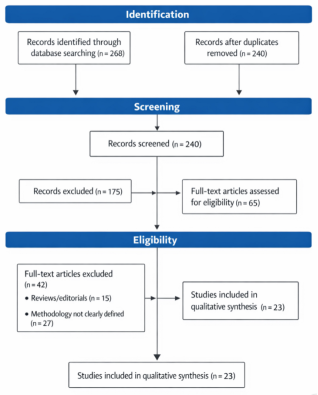
A total of 268 records were identified through database searching. Duplicate records were removed prior to screening using reference management software, followed by independent title and abstract screening. After removal of duplicates and initial screening based on titles and abstracts, potentially relevant articles underwent full-text review. Following application of the inclusion and exclusion criteria, 23 studies were ultimately included in the qualitative synthesis.
Study selection was performed independently by two reviewers, with disagreements resolved by consensus.
3.5. Data Extraction and Synthesis
Data extracted from the included studies comprised study design, population characteristics, neurological manifestations, proposed pathophysiological mechanisms, biomarkers, and reported clinical outcomes. The results were synthesized qualitatively and organized thematically to allow structured interpretation of the evidence. The study selection process is summarized in the PRISMA flow diagram (
Figure 2).
Given the heterogeneity of study designs and the qualitative nature of this systematic review, a formal quantitative risk-of-bias assessment was not performed. Instead, methodological limitations and sources of potential bias were considered during data interpretation and are addressed in the Strengths and Limitations section.
Figure 2. PRISMA Flow Diagram of Study Selection.
Flow diagram illustrating the study selection process according to the PRISMA 2020 guidelines. A total of 268 records were identified through database searching. After removal of duplicates and screening of titles and abstracts, 65 full-text articles were assessed for eligibility. Following application of inclusion and exclusion criteria, 23 studies were included in the qualitative synthesis.
Source: Authors’ own elaboration.
4. Results
Pathophysiological Mechanisms Underlying Neurological Manifestations in Long COVID
Across the studies included in this qualitative synthesis, multiple interrelated pathophysiological mechanisms were proposed to explain the persistence of neurological symptoms in Long COVID. Rather than a single causal pathway, the evidence supports a multifactorial model involving immune, vascular, metabolic, and autonomic dysfunction
| [14] | Mina Y, Enose-Akahata Y, Hammoud DA, Videckis AJ, Narpala SR, O’Connell SE, et al. Deep phenotyping of neurologic post-acute sequelae of SARS-CoV-2 infection. Neurol Neuroimmunol Neu-roinflamm. 2023; 10(4): e200097.
https://doi.org/10.1212/NXI.0000000000200097 |
| [24] | Davis HE, McCorkell L, Vogel JM, Topol EJ. Long COVID: major findings, mechanisms and recommendations. Nat Rev Microbiol. 2023; 21: 133-146.
https://doi.org/10.1038/s41579-022-00846-2 |
| [26] | Yong SJ. Persistent brainstem dysfunction in Long COVID: A hy-pothesis. ACS Chem Neurosci. 2021; 12(4): 573-580. https://doi.org/10.1021/acschemneuro.0c00793 |
[14, 24, 26]
.
Immune dysregulation and neuroinflammation were among the most frequently cited mechanisms. Several studies reported persistent immune activation, altered cytokine profiles, and evidence of intrathecal immune responses, suggesting ongoing neuroimmune signaling that may contribute to fatigue, cognitive dysfunction, headache, and neuropsychiatric symptoms. Findings from deep phenotyping studies further demonstrated abnormalities in T-cell subsets and cerebrospinal fluid immune markers in patients with neurological post-acute sequelae of SARS-CoV-2 infection
| [14] | Mina Y, Enose-Akahata Y, Hammoud DA, Videckis AJ, Narpala SR, O’Connell SE, et al. Deep phenotyping of neurologic post-acute sequelae of SARS-CoV-2 infection. Neurol Neuroimmunol Neu-roinflamm. 2023; 10(4): e200097.
https://doi.org/10.1212/NXI.0000000000200097 |
| [24] | Davis HE, McCorkell L, Vogel JM, Topol EJ. Long COVID: major findings, mechanisms and recommendations. Nat Rev Microbiol. 2023; 21: 133-146.
https://doi.org/10.1038/s41579-022-00846-2 |
| [25] | Proal AD, VanElzakker MB. Long COVID or post-acute sequelae of COVID-19 (PASC): An overview of biological factors that may contribute to persistent symptoms. Trends Immunol. 2021; 42(11): 1064-1077.
https://doi.org/10.1016/j.it.2021.09.001 |
[14, 24, 25]
.
Endothelial and microvascular dysfunction was another recurring theme. Included studies and integrative reviews described endothelial activation, impaired microcirculatory flow, and vascular inflammation as potential contributors to reduced cerebral perfusion and altered neurovascular coupling. These mechanisms provide a biological link between systemic inflammation and central nervous system symptoms such as cognitive impairment, dizziness, and exercise intolerance
.
Mitochondrial and metabolic impairment was consistently associated with persistent fatigue and post-exertional symptom exacerbation. Several authors proposed that altered cellular energy metabolism, mitochondrial stress responses, and redox imbalance may underlie the reduced physical and cognitive endurance observed in Long COVID, overlapping with mechanisms described in other post-viral fatigue syndromes, including myalgic encephalomyelitis/chronic fatigue syndrome (ME/CFS)
.
Autonomic nervous system dysfunction was frequently reported in association with neurological symptoms. Manifestations such as orthostatic intolerance, tachycardia, palpitations, and thermoregulatory instability were linked to impaired baroreflex sensitivity and neurocirculatory regulation, supporting a role for autonomic network disruption in the neurological phenotype of Long COVID
| [14] | Mina Y, Enose-Akahata Y, Hammoud DA, Videckis AJ, Narpala SR, O’Connell SE, et al. Deep phenotyping of neurologic post-acute sequelae of SARS-CoV-2 infection. Neurol Neuroimmunol Neu-roinflamm. 2023; 10(4): e200097.
https://doi.org/10.1212/NXI.0000000000200097 |
| [24] | Davis HE, McCorkell L, Vogel JM, Topol EJ. Long COVID: major findings, mechanisms and recommendations. Nat Rev Microbiol. 2023; 21: 133-146.
https://doi.org/10.1038/s41579-022-00846-2 |
[14, 24]
.
Finally, viral persistence or immune-mediated injury was discussed as a possible contributing mechanism in a subset of patients. Some studies suggested that residual viral antigens or dysregulated immune responses may perpetuate inflammation and tissue dysfunction, although definitive evidence remains limited. Collectively, these mechanisms highlight the complexity and heterogeneity of neurological Long COVID and underscore the need for biomarker-driven phenotyping in future studies
| [24] | Davis HE, McCorkell L, Vogel JM, Topol EJ. Long COVID: major findings, mechanisms and recommendations. Nat Rev Microbiol. 2023; 21: 133-146.
https://doi.org/10.1038/s41579-022-00846-2 |
| [25] | Proal AD, VanElzakker MB. Long COVID or post-acute sequelae of COVID-19 (PASC): An overview of biological factors that may contribute to persistent symptoms. Trends Immunol. 2021; 42(11): 1064-1077.
https://doi.org/10.1016/j.it.2021.09.001 |
[24, 25]
.
Clinical Manifestations of Post-viral Syndrome
In addition to profound fatigue, patients with post-viral syndrome frequently report myalgias, headache, sleep disturbances, cognitive impairment, and neurological symptoms such as neuropathic pain or balance instability. Gastrointestinal complaints and autonomic dysfunction, including blood pressure variability, have also been described in a subset of patients
| [1] | Chandan JS, Brown K, Simms-Williams N, Camaradou J, Bashir NZ, Heining D, et al. Non-pharmacological therapies for post-viral syn-dromes, including Long COVID: a systematic review and me-ta-analysis protocol. BMJ Open. 2022; 12(4): e057885.
https://doi.org/10.1136/bmjopen-2021-057885 |
| [7] | Nabavi N. Long COVID: how to define it and how to manage it. BMJ. 2020; 370: m3489.
https://doi.org/10.1136/bmj.m3489 |
[1, 7]
.
Duration and Clinical Course of Post-viral Syndrome
The clinical course of post-viral syndrome is highly variable. Some individuals experience symptom resolution within weeks, whereas others remain symptomatic for months or longer, with fluctuating intensity and functional impact
| [1] | Chandan JS, Brown K, Simms-Williams N, Camaradou J, Bashir NZ, Heining D, et al. Non-pharmacological therapies for post-viral syn-dromes, including Long COVID: a systematic review and me-ta-analysis protocol. BMJ Open. 2022; 12(4): e057885.
https://doi.org/10.1136/bmjopen-2021-057885 |
| [8] | Callard F, Perego E. How and why patients made Long COVID. Soc Sci Med. 2021; 268: 113426.
https://doi.org/10.1016/j.socscimed.2020.113426 |
| [9] | Soriano JB, Murthy S, Marshall JC, Relan P, Diaz JV; WHO Clinical Case Definition Working Group on Post-COVID-19 Condition. A clinical case definition of post-COVID-19 condition by a Delphi consensus. Lancet Infect Dis. 2021; 21(11): e601-e607. https://doi.org/10.1016/S1473-3099(21)00703-9. |
[1, 8, 9]
.
Relationship With Other Conditions
Post-viral syndrome shares substantial clinical similarities with myalgic encephalomyelitis/chronic fatigue syndrome (ME/CFS). Several authors suggest that these entities may represent different clinical expressions of a shared underlying pathophysiological dysfunction
.
Triggering Factors
Multiple viral pathogens have been implicated as potential triggers of post-viral syndrome, including Epstein-Barr virus, cytomegalovirus, and SARS-CoV-2, among others
.
Clinical Management of Post-viral Syndrome
Management is primarily symptomatic and supportive. Core therapeutic principles include adequate rest, balanced pacing of physical activity, stress management, sleep optimization, and appropriate nutritional support
| [12] | Cuesta-Llavona A, González-Trujillo R, Martín-Cabeza R, et al. Long COVID-19 and myalgic encephalomyelitis/chronic fatigue syndrome: similarities and differences of two peas in a pod. Reumatol Clin. 2022; 18(10): 623-631.
https://doi.org/10.1016/j.reuma.2022.06.002 |
[12]
.
Key Features of Post-viral Syndrome
Although the term “fatigue” is commonly used, post-viral syndrome may involve significant disability and a broad spectrum of symptoms. No specific diagnostic tests exist, and diagnosis relies on clinical evaluation and exclusion of alternative organic causes. This phenomenon is not new and has been historically described following multiple viral epidemics
| [12] | Cuesta-Llavona A, González-Trujillo R, Martín-Cabeza R, et al. Long COVID-19 and myalgic encephalomyelitis/chronic fatigue syndrome: similarities and differences of two peas in a pod. Reumatol Clin. 2022; 18(10): 623-631.
https://doi.org/10.1016/j.reuma.2022.06.002 |
[12]
.
Long COVID: Toward a Standardized Diagnostic Definition
Long COVID refers to a clinical condition in which affected individuals fail to achieve complete recovery for weeks or months following symptoms compatible with SARS-CoV-2 infection, regardless of laboratory confirmation
. The term emerged spontaneously in the spring of 2020, coined by patients experiencing incomplete recovery
.
Given the marked clinical heterogeneity of this condition, efforts have focused on establishing standardized diagnostic criteria based on a clear characterization of the initial COVID-19 episode.
Persistent fatigue is one of the most frequently reported symptoms and closely resembles ME/CFS. This overlap has led to the application of diagnostic and therapeutic strategies originally developed for ME/CFS in Long COVID
. However, distinguishing features exist: Long COVID more commonly presents with anosmia, dyspnea, cardiac rhythm disturbances, and memory impairment, whereas ME/CFS more frequently involves orthostatic intolerance and deficits in cognitive processing speed
.
Long COVID and Myalgic Encephalomyelitis/Chronic Fatigue Syndrome
Despite the absence of definitive etiopathogenic mechanisms or evidence-based clinical guidelines, the ISARIC Consortium and the World Health Organization have proposed a clinical definition of Long COVID. This condition affects individuals with probable or confirmed SARS-CoV-2 infection whose symptoms persist for at least two months, usually beginning three months after disease onset, and cannot be explained by alternative diagnoses
| [9] | Soriano JB, Murthy S, Marshall JC, Relan P, Diaz JV; WHO Clinical Case Definition Working Group on Post-COVID-19 Condition. A clinical case definition of post-COVID-19 condition by a Delphi consensus. Lancet Infect Dis. 2021; 21(11): e601-e607. https://doi.org/10.1016/S1473-3099(21)00703-9. |
[9]
.
Symptoms are diverse, fluctuating, and non-specific, including fatigue, pain, dyspnea, sleep disturbances, cognitive impairment, and psychological distress, all of which significantly affect quality of life. These manifestations may persist from the acute phase or emerge after apparent recovery
| [2] | Rahmati M, Udeh R, Kang J, Dolja-Gore X, McEvoy M, Kazemi A, et al. Long-term sequelae of COVID-19: a systematic review and me-ta-analysis of symptoms 3 years post-SARS-CoV-2 infection. J Med Virol. 2025; 97(6): e70429. https://doi.org/10.1002/jmv.70429 |
[2]
.
These features closely resemble those observed in ME/CFS, a chronic, multisystem, and disabling disorder described since 1988 as a post-viral fatigue syndrome
. Diagnostic criteria include those proposed by Fukuda (1994), the Canadian Consensus Criteria (2003), and the International Consensus Criteria (2011) (
Table 1).
Neurological and Systemic Manifestations of Long COVID
Table 1 summarizes the most frequently reported neurological and systemic manifestations of Long COVID, encompassing central and peripheral neurological symptoms, sensory disturbances, psychiatric manifestations, cardiovascular dysautonomia, respiratory symptoms, gastrointestinal complaints, and systemic features such as exercise intolerance.
Table 1. Neurological and Systemic Symptoms of Long COVID.
Affected domain | Frequent symptoms | References |
Central nervous system | Persistent fatigue, brain fog, headache, cognitive impairment, sleep disturbances | 9-12] |
Peripheral nervous system | Paresthesia, neuropathic pain, weakness, autonomic dysfunction | 10-12] |
Sensory | Anosmia, ageusia, hyperosmia, tinnitus | 5, 9, 13] |
Psychiatric | Anxiety, depression, insomnia, panic attacks | 9, 13] |
Cardiovascular | Tachycardia, palpitations, postural dyspnea, orthostatic intolerance | 5, 14] |
Respiratory | Dyspnea, persistent cough, chest pain | 9, 13] |
Gastrointestinal | Nausea, diarrhea, abdominal distension, abdominal pain | 9, 12] |
General or systemic | Myalgias, low-grade fever, night sweats, weight loss, exercise intolerance | 10-12] |
Source: Authors’ own elaboration
ME/CFS is characterized by post-exertional fatigue unrelieved by rest, headache, cognitive impairment, sleep disturbances, musculoskeletal pain, and psychiatric symptoms lasting at least six months
. Diagnostic criteria and proposed definitions for Long COVID according to World Health Organization (WHO) and International Severe Acute Respiratory and Emerging Infection Consortium (ISARIC) are summarized in
Table 2.
Table 2. Proposed Diagnostic Criteria for Long COVID (According to WHO and ISARIC).
Affected domain | Frequent symptoms | References |
Central nervous system | Persistent fatigue, brain fog, headache, cognitive impairment, sleep disturbances | 9-12] |
Peripheral nervous system | Paresthesia, neuropathic pain, weakness, autonomic dysfunction | 10-12] |
Sensory | Anosmia, ageusia, hyperosmia, tinnitus | 8, 9, 13] |
Psychiatric | Anxiety, depression, insomnia, panic attacks | 9, 13] |
Cardiovascular | Tachycardia, palpitations, postural dyspnea, orthostatic intolerance | 9, 14] |
Respiratory | Dyspnea, persistent cough, chest pain | 9, 13] |
Gastrointestinal | Nausea, diarrhea, abdominal distension, abdominal pain | 9, 12] |
General or systemic | Myalgias, low-grade fever, night sweats, weight loss, exercise intolerance | 10-12] |
Source: Authors’ own elaboration.
Although the underlying cause remains uncertain, predisposing factors (female sex, personality traits, familial aggregation), triggering factors (viral infections, toxin exposure, psychosocial stressors), and perpetuating factors (advanced age, comorbidities, delayed diagnosis) have been identified. Shared abnormalities in ME/CFS and Long COVID include mitochondrial dysfunction, oxidative stress, and redox imbalance, supporting common pathophysiological pathways
| [12] | Cuesta-Llavona A, González-Trujillo R, Martín-Cabeza R, et al. Long COVID-19 and myalgic encephalomyelitis/chronic fatigue syndrome: similarities and differences of two peas in a pod. Reumatol Clin. 2022; 18(10): 623-631.
https://doi.org/10.1016/j.reuma.2022.06.002 |
[12]
.
Inflammatory and Immunological Findings in PASC
Recent studies report that individuals with post-acute sequelae of COVID-19 frequently experience persistent symptoms such as fatigue, dyspnea, cough, and sleep disturbances, accompanied by a high prevalence of mood disorders, including anxiety and depression.
Inflammatory biomarkers associated with severe acute COVID-19—such as interferon-γ (IFN-γ) and Cluster of differentiation 163 (CD163)—as well as vascular activation markers (Vascular cell adhesion molecule 1 [VCAM-1] and intercellular adhesion molecule-1 [ICAM-1]), have shown significant correlations with specific PASC symptoms, particularly among individuals infected within the previous year. These associations tend to diminish over time. Conversely, markers of viral activation, including Programmed death-ligand 1 (PD-L1) and Interferon gamma-induced protein 10 (IP-10), correlate positively with acute-phase symptoms such as anosmia, ageusia, and cough, mainly in recent infections
.
Neurological and Autonomic Findings in Neuro-PASC
A recent study evaluating persistent neurological and autonomic features in patients with neuro-PASC reported a predominance of female participants (83%) with a mean age of 45 ± 11 years. Assessment occurred at a median of nine months post-infection, with most patients having experienced mild acute COVID-19
| [14] | Mina Y, Enose-Akahata Y, Hammoud DA, Videckis AJ, Narpala SR, O’Connell SE, et al. Deep phenotyping of neurologic post-acute sequelae of SARS-CoV-2 infection. Neurol Neuroimmunol Neu-roinflamm. 2023; 10(4): e200097.
https://doi.org/10.1212/NXI.0000000000200097 |
[14]
.
The most common symptoms were fatigue and cognitive difficulties. Mild cognitive impairment (Montreal Cognitive Assessment [MoCA] < 26) was observed in approximately half of the patients, and 83% exhibited significant disability (Karnofsky Performance Index ≤ 80). Olfactory testing revealed microsmia in 66% of cases, while brain MRI findings were largely normal
| [14] | Mina Y, Enose-Akahata Y, Hammoud DA, Videckis AJ, Narpala SR, O’Connell SE, et al. Deep phenotyping of neurologic post-acute sequelae of SARS-CoV-2 infection. Neurol Neuroimmunol Neu-roinflamm. 2023; 10(4): e200097.
https://doi.org/10.1212/NXI.0000000000200097 |
[14]
.
Cerebrospinal fluid analysis identified unique oligoclonal bands in 25% of patients, indicating intrathecal immune activation. Immunophenotyping demonstrated alterations in CD4+ and CD8+ T-cell subsets, reduced effector memory phenotypes, increased antibody-secreting B cells, and elevated immunoregulatory molecules. Autonomic testing revealed reduced cardiovagal baroreflex gain and increased peripheral resistance during tilt-table testing without abnormal catecholamine elevation
| [14] | Mina Y, Enose-Akahata Y, Hammoud DA, Videckis AJ, Narpala SR, O’Connell SE, et al. Deep phenotyping of neurologic post-acute sequelae of SARS-CoV-2 infection. Neurol Neuroimmunol Neu-roinflamm. 2023; 10(4): e200097.
https://doi.org/10.1212/NXI.0000000000200097 |
[14]
.
These findings support persistent immune and neurocirculatory dysfunction following SARS-CoV-2 infection and provide a rationale for future immunomodulatory therapeutic trials in neuro-PASC.
Neurological Manifestations of Long COVID in Pediatric Patients
Neurological manifestations of Long COVID have also been documented in pediatric populations. Reported symptoms include persistent or recurrent headache, new-onset seizures or exacerbation of pre-existing epilepsy, altered consciousness, anosmia, paresthesia, and psychological symptoms such as anxiety and depression
| [15] | Álvarez Cruz J, Blanco del Frade A, Carassou Gutiérrez M, Arteche Hidalgo LL, Romero Reinaldo Y, Santamaría Trujillo CL. Mani-festaciones neurológicas y psicológicas en pacientes pediátricos con-valecientes de la COVID-19. Rev Cubana Med Mil. 2023; 52(2): e2744. Available from: https://revmedmilitar.sld.cu/index.php/mil/article/view/2744 |
[15]
.
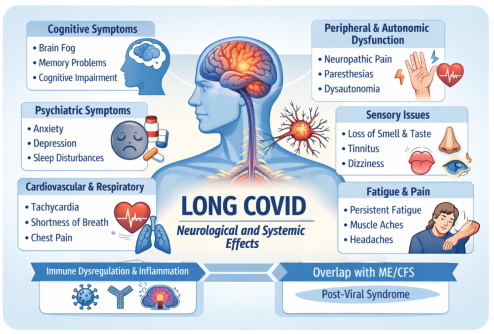
Figure 3 summarizes the main neurological and systemic manifestations of Long COVID identified in the included studies.
Figure 3. Neurological and Systemic Manifestations of Long COVID.
Conceptual illustration summarizing the main neurological and systemic manifestations associated with post-viral syndrome and Long COVID. The figure highlights central and peripheral nervous system involvement, autonomic dysfunction, cognitive and psychiatric symptoms, sensory disturbances, cardiovascular and respiratory manifestations, persistent fatigue, and pain. Shared pathophysiological mechanisms, including immune dysregulation and overlap with myalgic encephalomyelitis/chronic fatigue syndrome (ME/CFS), are also represented.
Source: Authors’ own elaboration.
Table 3 summarizes the neurological manifestations of Long COVID in pediatric patients, including cognitive impairment, sensory disturbances, headache, seizures, autonomic symptoms, and mood or behavioral changes.
Early recognition and appropriate evaluation of these manifestations are essential to provide adequate treatment and support. Pediatric Long COVID remains an evolving field, and further research is needed to fully characterize its neurological and psychological spectrum
| [15] | Álvarez Cruz J, Blanco del Frade A, Carassou Gutiérrez M, Arteche Hidalgo LL, Romero Reinaldo Y, Santamaría Trujillo CL. Mani-festaciones neurológicas y psicológicas en pacientes pediátricos con-valecientes de la COVID-19. Rev Cubana Med Mil. 2023; 52(2): e2744. Available from: https://revmedmilitar.sld.cu/index.php/mil/article/view/2744 |
[15]
.
Compared with adults, children and adolescents appear to share a similar spectrum of neurological symptoms, although differences in presentation may reflect developmental stage, reporting patterns, and neuropsychological impact
| [14] | Mina Y, Enose-Akahata Y, Hammoud DA, Videckis AJ, Narpala SR, O’Connell SE, et al. Deep phenotyping of neurologic post-acute sequelae of SARS-CoV-2 infection. Neurol Neuroimmunol Neu-roinflamm. 2023; 10(4): e200097.
https://doi.org/10.1212/NXI.0000000000200097 |
| [15] | Álvarez Cruz J, Blanco del Frade A, Carassou Gutiérrez M, Arteche Hidalgo LL, Romero Reinaldo Y, Santamaría Trujillo CL. Mani-festaciones neurológicas y psicológicas en pacientes pediátricos con-valecientes de la COVID-19. Rev Cubana Med Mil. 2023; 52(2): e2744. Available from: https://revmedmilitar.sld.cu/index.php/mil/article/view/2744 |
[14, 15]
.
Potential explanations for pediatric-adult differences include age-related immune responses, neurodevelopmental vulnerability, autonomic nervous system maturation, and differences in psychosocial stressors and educational demands
| [14] | Mina Y, Enose-Akahata Y, Hammoud DA, Videckis AJ, Narpala SR, O’Connell SE, et al. Deep phenotyping of neurologic post-acute sequelae of SARS-CoV-2 infection. Neurol Neuroimmunol Neu-roinflamm. 2023; 10(4): e200097.
https://doi.org/10.1212/NXI.0000000000200097 |
| [24] | Davis HE, McCorkell L, Vogel JM, Topol EJ. Long COVID: major findings, mechanisms and recommendations. Nat Rev Microbiol. 2023; 21: 133-146.
https://doi.org/10.1038/s41579-022-00846-2 |
| [26] | Yong SJ. Persistent brainstem dysfunction in Long COVID: A hy-pothesis. ACS Chem Neurosci. 2021; 12(4): 573-580. https://doi.org/10.1021/acschemneuro.0c00793 |
[14, 24, 26]
.
Table 3. Neurological Manifestations of Long COVID in Pediatric Patients.
Neurological category | Clinical manifestations | References |
Cognitive | Difficulty concentrating, impaired school performance, “brain fog” | 15] |
Sensory (somatosensory) | Paresthesia (tingling, numbness), hyperalgesia | 15] |
Headache | Persistent or recurrent headache, migraine-like or tension-type | 15] |
Sensory (special senses) | Anosmia, hyposmia, ageusia, tinnitus | 5, 15] |
Seizures | New-onset seizures or exacerbation of pre-existing epilepsy | 15] |
Level of consciousness | Excessive somnolence, fluctuating alertness, psychomotor slowing | 15] |
Autonomic symptoms | Postural instability, orthostatic intolerance, palpitations | 14, 15] |
Mood and behavior | Anxiety, irritability, depression, affective or sleep disturbances | 15] |
Source: Authors’ own elaboration
5. Discussion of Results
The findings of this qualitative systematic review indicate that neurological manifestations are a central and persistent component of post-viral syndrome and Long COVID, affecting both adult and pediatric populations. Across the included studies, fatigue, cognitive dysfunction, headache, sleep disturbances, dysautonomia, and neuropathic symptoms consistently emerged as among the most prevalent and disabling features
| [1] | Chandan JS, Brown K, Simms-Williams N, Camaradou J, Bashir NZ, Heining D, et al. Non-pharmacological therapies for post-viral syn-dromes, including Long COVID: a systematic review and me-ta-analysis protocol. BMJ Open. 2022; 12(4): e057885.
https://doi.org/10.1136/bmjopen-2021-057885 |
| [7] | Nabavi N. Long COVID: how to define it and how to manage it. BMJ. 2020; 370: m3489.
https://doi.org/10.1136/bmj.m3489 |
| [8] | Callard F, Perego E. How and why patients made Long COVID. Soc Sci Med. 2021; 268: 113426.
https://doi.org/10.1016/j.socscimed.2020.113426 |
| [9] | Soriano JB, Murthy S, Marshall JC, Relan P, Diaz JV; WHO Clinical Case Definition Working Group on Post-COVID-19 Condition. A clinical case definition of post-COVID-19 condition by a Delphi consensus. Lancet Infect Dis. 2021; 21(11): e601-e607. https://doi.org/10.1016/S1473-3099(21)00703-9. |
| [14] | Mina Y, Enose-Akahata Y, Hammoud DA, Videckis AJ, Narpala SR, O’Connell SE, et al. Deep phenotyping of neurologic post-acute sequelae of SARS-CoV-2 infection. Neurol Neuroimmunol Neu-roinflamm. 2023; 10(4): e200097.
https://doi.org/10.1212/NXI.0000000000200097 |
| [15] | Álvarez Cruz J, Blanco del Frade A, Carassou Gutiérrez M, Arteche Hidalgo LL, Romero Reinaldo Y, Santamaría Trujillo CL. Mani-festaciones neurológicas y psicológicas en pacientes pediátricos con-valecientes de la COVID-19. Rev Cubana Med Mil. 2023; 52(2): e2744. Available from: https://revmedmilitar.sld.cu/index.php/mil/article/view/2744 |
[1, 7-9, 14, 15]
. These manifestations have been reported even after mild acute SARS-CoV-2 infection, supporting the concept that Long COVID is not confined to patients with severe initial disease
| [5] | Koc HC, Xiao J, Liu W, Li Y, Chen G. Long COVID and its man-agement. Int J Biol Sci. 2022; 18(12): 4768-4780.
https://doi.org/10.7150/ijbs.75056 |
| [9] | Soriano JB, Murthy S, Marshall JC, Relan P, Diaz JV; WHO Clinical Case Definition Working Group on Post-COVID-19 Condition. A clinical case definition of post-COVID-19 condition by a Delphi consensus. Lancet Infect Dis. 2021; 21(11): e601-e607. https://doi.org/10.1016/S1473-3099(21)00703-9. |
| [14] | Mina Y, Enose-Akahata Y, Hammoud DA, Videckis AJ, Narpala SR, O’Connell SE, et al. Deep phenotyping of neurologic post-acute sequelae of SARS-CoV-2 infection. Neurol Neuroimmunol Neu-roinflamm. 2023; 10(4): e200097.
https://doi.org/10.1212/NXI.0000000000200097 |
[5, 9, 14]
.
Pediatric findings, although less extensively studied, indicate a neurological symptom spectrum that broadly overlaps with that observed in adults, with fatigue, headache, cognitive difficulties, and autonomic symptoms predominating. In children, however, the clinical impact often manifests as academic impairment, behavioral changes, and sleep disturbances, reflecting developmental context rather than a fundamentally distinct disease process. Age-related immune responses, neurodevelopmental vulnerability, and autonomic nervous system maturation may modulate symptom expression and recovery trajectories in pediatric Long COVID
| [14] | Mina Y, Enose-Akahata Y, Hammoud DA, Videckis AJ, Narpala SR, O’Connell SE, et al. Deep phenotyping of neurologic post-acute sequelae of SARS-CoV-2 infection. Neurol Neuroimmunol Neu-roinflamm. 2023; 10(4): e200097.
https://doi.org/10.1212/NXI.0000000000200097 |
| [15] | Álvarez Cruz J, Blanco del Frade A, Carassou Gutiérrez M, Arteche Hidalgo LL, Romero Reinaldo Y, Santamaría Trujillo CL. Mani-festaciones neurológicas y psicológicas en pacientes pediátricos con-valecientes de la COVID-19. Rev Cubana Med Mil. 2023; 52(2): e2744. Available from: https://revmedmilitar.sld.cu/index.php/mil/article/view/2744 |
| [24] | Davis HE, McCorkell L, Vogel JM, Topol EJ. Long COVID: major findings, mechanisms and recommendations. Nat Rev Microbiol. 2023; 21: 133-146.
https://doi.org/10.1038/s41579-022-00846-2 |
| [25] | Proal AD, VanElzakker MB. Long COVID or post-acute sequelae of COVID-19 (PASC): An overview of biological factors that may contribute to persistent symptoms. Trends Immunol. 2021; 42(11): 1064-1077.
https://doi.org/10.1016/j.it.2021.09.001 |
| [26] | Yong SJ. Persistent brainstem dysfunction in Long COVID: A hy-pothesis. ACS Chem Neurosci. 2021; 12(4): 573-580. https://doi.org/10.1021/acschemneuro.0c00793 |
[14, 15, 24-26]
. These findings raise important concerns regarding potential long-term effects on neurodevelopment, educational attainment, and psychosocial functioning, underscoring the need for longitudinal pediatric follow-up studies.
Importantly, the consistency of neurological patterns across diverse study designs and populations supports a shared underlying pathophysiological framework rather than isolated organ-specific sequelae. The convergence of immune dysregulation, neuroinflammation, endothelial and microvascular dysfunction, mitochondrial and metabolic impairment, and autonomic nervous system disruption provides a biologically plausible explanation for the heterogeneous and fluctuating neurological phenotype observed in Long COVID. This multifactorial model also explains the overlap with other post-viral neurological syndromes, including myalgic encephalomyelitis/chronic fatigue syndrome (ME/CFS)
| [12] | Cuesta-Llavona A, González-Trujillo R, Martín-Cabeza R, et al. Long COVID-19 and myalgic encephalomyelitis/chronic fatigue syndrome: similarities and differences of two peas in a pod. Reumatol Clin. 2022; 18(10): 623-631.
https://doi.org/10.1016/j.reuma.2022.06.002 |
| [14] | Mina Y, Enose-Akahata Y, Hammoud DA, Videckis AJ, Narpala SR, O’Connell SE, et al. Deep phenotyping of neurologic post-acute sequelae of SARS-CoV-2 infection. Neurol Neuroimmunol Neu-roinflamm. 2023; 10(4): e200097.
https://doi.org/10.1212/NXI.0000000000200097 |
| [24] | Davis HE, McCorkell L, Vogel JM, Topol EJ. Long COVID: major findings, mechanisms and recommendations. Nat Rev Microbiol. 2023; 21: 133-146.
https://doi.org/10.1038/s41579-022-00846-2 |
| [25] | Proal AD, VanElzakker MB. Long COVID or post-acute sequelae of COVID-19 (PASC): An overview of biological factors that may contribute to persistent symptoms. Trends Immunol. 2021; 42(11): 1064-1077.
https://doi.org/10.1016/j.it.2021.09.001 |
| [26] | Yong SJ. Persistent brainstem dysfunction in Long COVID: A hy-pothesis. ACS Chem Neurosci. 2021; 12(4): 573-580. https://doi.org/10.1021/acschemneuro.0c00793 |
[12, 14, 24-26]
.
A key observation is the marked heterogeneity in symptom presentation, duration, and severity. While some individuals experience gradual improvement, others develop a chronic, fluctuating course with substantial functional impairment
| [1] | Chandan JS, Brown K, Simms-Williams N, Camaradou J, Bashir NZ, Heining D, et al. Non-pharmacological therapies for post-viral syn-dromes, including Long COVID: a systematic review and me-ta-analysis protocol. BMJ Open. 2022; 12(4): e057885.
https://doi.org/10.1136/bmjopen-2021-057885 |
| [8] | Callard F, Perego E. How and why patients made Long COVID. Soc Sci Med. 2021; 268: 113426.
https://doi.org/10.1016/j.socscimed.2020.113426 |
| [9] | Soriano JB, Murthy S, Marshall JC, Relan P, Diaz JV; WHO Clinical Case Definition Working Group on Post-COVID-19 Condition. A clinical case definition of post-COVID-19 condition by a Delphi consensus. Lancet Infect Dis. 2021; 21(11): e601-e607. https://doi.org/10.1016/S1473-3099(21)00703-9. |
[1, 8, 9]
. This variability challenges standardized clinical pathways and underscores the need for individualized assessment and multidisciplinary follow-up
| [9] | Soriano JB, Murthy S, Marshall JC, Relan P, Diaz JV; WHO Clinical Case Definition Working Group on Post-COVID-19 Condition. A clinical case definition of post-COVID-19 condition by a Delphi consensus. Lancet Infect Dis. 2021; 21(11): e601-e607. https://doi.org/10.1016/S1473-3099(21)00703-9. |
| [12] | Cuesta-Llavona A, González-Trujillo R, Martín-Cabeza R, et al. Long COVID-19 and myalgic encephalomyelitis/chronic fatigue syndrome: similarities and differences of two peas in a pod. Reumatol Clin. 2022; 18(10): 623-631.
https://doi.org/10.1016/j.reuma.2022.06.002 |
| [16] | Chen H, Shi H, Liu X, Sun T, Wu J, Liu Z. Effect of pulmonary rehabilitation for patients with post-COVID-19: a systematic review and meta-analysis. Front Med (Lausanne). 2022 Feb 21; 9: 837420. https://doi.org/10.3389/fmed.2022.837420 |
| [17] | Notarte KI, Catahay JA, Velasco JV, Ver AT, Pangilinan FC, Casil JC, et al. Impact of COVID-19 vaccination on the risk of developing long COVID and on existing long COVID symptoms: a systematic review. EClinicalMedicine. 2022; 53: 101624. https://doi.org/10.1016/j.eclinm.2022.101624 |
| [18] | Asadi-Pooya AA, Nemati M, Shahisavandi M, Nemati H, Karimi A, Jafari A, et al. How does COVID-19 vaccination affect long-COVID symptoms? PLoS ONE. 2024; 19(2): e0296680. https://doi.org/10.1371/journal.pone.0296680 |
[9, 12, 16-18]
.
The results also reinforce a strong clinical and pathophysiological overlap between Long COVID and myalgic encephalomyelitis/chronic fatigue syndrome (ME/CFS)
| [12] | Cuesta-Llavona A, González-Trujillo R, Martín-Cabeza R, et al. Long COVID-19 and myalgic encephalomyelitis/chronic fatigue syndrome: similarities and differences of two peas in a pod. Reumatol Clin. 2022; 18(10): 623-631.
https://doi.org/10.1016/j.reuma.2022.06.002 |
[12]
. Shared features—including persistent fatigue, cognitive impairment, sleep disturbances, and autonomic dysfunction—support the view that these conditions may represent overlapping post-infectious phenotypes rather than entirely distinct entities
| [5] | Koc HC, Xiao J, Liu W, Li Y, Chen G. Long COVID and its man-agement. Int J Biol Sci. 2022; 18(12): 4768-4780.
https://doi.org/10.7150/ijbs.75056 |
| [10] | Carruthers BM, van de Sande MI, De Meirleir KL, Klimas NG, Broderick G, Mitchell T, et al. Myalgic encephalomyelitis/chronic fatigue syndrome: Canadian Consensus Criteria. J Chronic Fatigue Syndr. 2012; 17(2-3): 7-115. Available from: https://rme.nu/wp-content/uploads/2023/06/Canadian-definition-2.pdf |
| [11] | Fernández-Solà J. Chronic fatigue syndrome: current situation. Rev Clin Esp. 2011; 211(8): 407-409.
https://doi.org/10.1016/j.rce.2011.05.006 |
| [12] | Cuesta-Llavona A, González-Trujillo R, Martín-Cabeza R, et al. Long COVID-19 and myalgic encephalomyelitis/chronic fatigue syndrome: similarities and differences of two peas in a pod. Reumatol Clin. 2022; 18(10): 623-631.
https://doi.org/10.1016/j.reuma.2022.06.002 |
[5, 10-12]
. The identification of common mechanisms such as mitochondrial dysfunction, oxidative stress, redox imbalance, and immune dysregulation provides a plausible biological framework linking these syndromes
| [12] | Cuesta-Llavona A, González-Trujillo R, Martín-Cabeza R, et al. Long COVID-19 and myalgic encephalomyelitis/chronic fatigue syndrome: similarities and differences of two peas in a pod. Reumatol Clin. 2022; 18(10): 623-631.
https://doi.org/10.1016/j.reuma.2022.06.002 |
[12]
.
Immunological and inflammatory findings reported in the included studies further inform interpretation of the clinical phenotype. Associations between persistent symptoms and biomarkers related to immune activation and vascular/endothelial dysfunction (including IFN-γ, CD163, VCAM-1, and ICAM-1) suggest that sustained inflammatory pathways may contribute to symptom persistence, particularly in more recent infections, although these relationships may attenuate over time
. In addition, evidence of intrathecal immune activation and cerebrospinal fluid immunophenotypic changes in neuro-PASC supports the hypothesis of central nervous system immune involvement in a subset of patients
| [14] | Mina Y, Enose-Akahata Y, Hammoud DA, Videckis AJ, Narpala SR, O’Connell SE, et al. Deep phenotyping of neurologic post-acute sequelae of SARS-CoV-2 infection. Neurol Neuroimmunol Neu-roinflamm. 2023; 10(4): e200097.
https://doi.org/10.1212/NXI.0000000000200097 |
[14]
.
Pediatric findings, although still emerging, indicate that children may experience a clinically relevant neurological spectrum of Long COVID, including headache, cognitive difficulties affecting school performance, paresthesia, seizures, autonomic symptoms, and mood disturbances
| [15] | Álvarez Cruz J, Blanco del Frade A, Carassou Gutiérrez M, Arteche Hidalgo LL, Romero Reinaldo Y, Santamaría Trujillo CL. Mani-festaciones neurológicas y psicológicas en pacientes pediátricos con-valecientes de la COVID-19. Rev Cubana Med Mil. 2023; 52(2): e2744. Available from: https://revmedmilitar.sld.cu/index.php/mil/article/view/2744 |
[15]
. These manifestations can interfere with development, education, and psychosocial functioning, emphasizing the importance of early recognition, appropriate neurological evaluation, and longitudinal follow-up in pediatric populations
| [15] | Álvarez Cruz J, Blanco del Frade A, Carassou Gutiérrez M, Arteche Hidalgo LL, Romero Reinaldo Y, Santamaría Trujillo CL. Mani-festaciones neurológicas y psicológicas en pacientes pediátricos con-valecientes de la COVID-19. Rev Cubana Med Mil. 2023; 52(2): e2744. Available from: https://revmedmilitar.sld.cu/index.php/mil/article/view/2744 |
[15]
.
From a clinical standpoint, the results highlight a persistent gap between the burden of neurological sequelae and the current availability of evidence-based, disease-specific therapies. Management remains largely symptom-based and individualized, often integrating rehabilitation strategies, treatment of comorbidities, and psychological support to improve function and quality of life
| [16] | Chen H, Shi H, Liu X, Sun T, Wu J, Liu Z. Effect of pulmonary rehabilitation for patients with post-COVID-19: a systematic review and meta-analysis. Front Med (Lausanne). 2022 Feb 21; 9: 837420. https://doi.org/10.3389/fmed.2022.837420 |
| [17] | Notarte KI, Catahay JA, Velasco JV, Ver AT, Pangilinan FC, Casil JC, et al. Impact of COVID-19 vaccination on the risk of developing long COVID and on existing long COVID symptoms: a systematic review. EClinicalMedicine. 2022; 53: 101624. https://doi.org/10.1016/j.eclinm.2022.101624 |
| [18] | Asadi-Pooya AA, Nemati M, Shahisavandi M, Nemati H, Karimi A, Jafari A, et al. How does COVID-19 vaccination affect long-COVID symptoms? PLoS ONE. 2024; 19(2): e0296680. https://doi.org/10.1371/journal.pone.0296680 |
| [19] | Choi YJ, Seo YB, Seo J-W, Lee J, Nham E, Seong H, Yoon JG, Noh JY, Cheong HJ, Kim WJ, et al. Effectiveness of antiviral therapy on Long COVID: a systematic review and meta-analysis. J Clin Med. 2023; 12(23): 7375.
https://doi.org/10.3390/jcm12237375 |
| [20] | Zeraatkar D, Cusano E, Armstrong MJ, et al. Interventions for the management of long COVID (post-COVID-19 condition): a system-atic review. BMJ. 2024; 387: e081318.
https://doi.org/10.1136/bmj-2024-081318 |
| [21] | Vanderbilt Health. Baricitinib treatment on trial to reverse Long COVID effects. Vanderbilt Discoveries in Medicine. 2025 Jan. Available from:
https://discoveries.vanderbilthealth.com/2025/01/treatment-on-trial-to-reverse-long-covid-effects/ |
| [22] | Deng J, Qin C, Lee M, Lee Y, You M, Liu J. Effects of rehabilitation interventions for older adults with long COVID: a systematic review and meta-analysis of randomized controlled trials. J Glob Health. 2024; 14: 05025.
https://doi.org/10.7189/jogh.14.05025 |
| [23] | Green R, Wu Q, Li X, et al. A systematic review and meta-analysis of the impact of COVID-19 vaccination on long COVID outcomes. Nat Commun. 2025; 16: 65302.
https://doi.org/10.1038/s41467-025-65302-0 |
[16-23]
. Emerging interventions under investigation—including pharmacologic and procedure-based approaches aimed at selected symptom clusters—require confirmation in well-designed clinical trials before routine implementation
| [19] | Choi YJ, Seo YB, Seo J-W, Lee J, Nham E, Seong H, Yoon JG, Noh JY, Cheong HJ, Kim WJ, et al. Effectiveness of antiviral therapy on Long COVID: a systematic review and meta-analysis. J Clin Med. 2023; 12(23): 7375.
https://doi.org/10.3390/jcm12237375 |
| [20] | Zeraatkar D, Cusano E, Armstrong MJ, et al. Interventions for the management of long COVID (post-COVID-19 condition): a system-atic review. BMJ. 2024; 387: e081318.
https://doi.org/10.1136/bmj-2024-081318 |
| [21] | Vanderbilt Health. Baricitinib treatment on trial to reverse Long COVID effects. Vanderbilt Discoveries in Medicine. 2025 Jan. Available from:
https://discoveries.vanderbilthealth.com/2025/01/treatment-on-trial-to-reverse-long-covid-effects/ |
| [22] | Deng J, Qin C, Lee M, Lee Y, You M, Liu J. Effects of rehabilitation interventions for older adults with long COVID: a systematic review and meta-analysis of randomized controlled trials. J Glob Health. 2024; 14: 05025.
https://doi.org/10.7189/jogh.14.05025 |
| [23] | Green R, Wu Q, Li X, et al. A systematic review and meta-analysis of the impact of COVID-19 vaccination on long COVID outcomes. Nat Commun. 2025; 16: 65302.
https://doi.org/10.1038/s41467-025-65302-0 |
[19-23]
. Overall, the consistency of neurological patterns across studies provides a strong rationale for future research focused on biomarker-driven phenotyping, standardized diagnostic frameworks, and targeted therapeutic development
| [9] | Soriano JB, Murthy S, Marshall JC, Relan P, Diaz JV; WHO Clinical Case Definition Working Group on Post-COVID-19 Condition. A clinical case definition of post-COVID-19 condition by a Delphi consensus. Lancet Infect Dis. 2021; 21(11): e601-e607. https://doi.org/10.1016/S1473-3099(21)00703-9. |
| [12] | Cuesta-Llavona A, González-Trujillo R, Martín-Cabeza R, et al. Long COVID-19 and myalgic encephalomyelitis/chronic fatigue syndrome: similarities and differences of two peas in a pod. Reumatol Clin. 2022; 18(10): 623-631.
https://doi.org/10.1016/j.reuma.2022.06.002 |
| [13] | Robineau O, Asthana S. Biomarker patterns in post-acute COVID vary by symptom and time since infection. Medscape Medical News. 2025 Jun 19. Available from:
https://www.medscape.com/viewarticle/biomarker-patterns-post-acute-covid-vary-symptom-and-time-2025a1000ge8 |
| [14] | Mina Y, Enose-Akahata Y, Hammoud DA, Videckis AJ, Narpala SR, O’Connell SE, et al. Deep phenotyping of neurologic post-acute sequelae of SARS-CoV-2 infection. Neurol Neuroimmunol Neu-roinflamm. 2023; 10(4): e200097.
https://doi.org/10.1212/NXI.0000000000200097 |
| [19] | Choi YJ, Seo YB, Seo J-W, Lee J, Nham E, Seong H, Yoon JG, Noh JY, Cheong HJ, Kim WJ, et al. Effectiveness of antiviral therapy on Long COVID: a systematic review and meta-analysis. J Clin Med. 2023; 12(23): 7375.
https://doi.org/10.3390/jcm12237375 |
| [20] | Zeraatkar D, Cusano E, Armstrong MJ, et al. Interventions for the management of long COVID (post-COVID-19 condition): a system-atic review. BMJ. 2024; 387: e081318.
https://doi.org/10.1136/bmj-2024-081318 |
| [21] | Vanderbilt Health. Baricitinib treatment on trial to reverse Long COVID effects. Vanderbilt Discoveries in Medicine. 2025 Jan. Available from:
https://discoveries.vanderbilthealth.com/2025/01/treatment-on-trial-to-reverse-long-covid-effects/ |
[9, 12-14, 19-21]
.
Ongoing clinical research is exploring mechanism-targeted interventions, including immunomodulatory agents such as Janus kinase inhibitors (e.g., baricitinib), although robust evidence for efficacy in Long COVID is not yet available.
7. Conclusions
This qualitative systematic review demonstrates that neurological manifestations are a prominent and persistent feature of post-viral syndrome and Long COVID, affecting both adults and children. Fatigue and post-exertional symptom exacerbation, cognitive dysfunction, headache, sleep disturbances, dysautonomia, and neuropathic symptoms consistently emerged as major contributors to long-term morbidity, often independent of the severity of the acute SARS-CoV-2 infection.
The findings support a substantial clinical and mechanistic overlap between Long COVID and other post-viral neurological syndromes, including myalgic encephalomyelitis/chronic fatigue syndrome (ME/CFS). Current evidence favors a multifactorial pathophysiological model involving immune dysregulation and neuroinflammation, endothelial and microvascular dysfunction, mitochondrial and metabolic impairment, and autonomic nervous system disruption, providing a biologically plausible explanation for the heterogeneity and fluctuating course of neurological symptoms.
In pediatric populations, available data indicate a neurological symptom spectrum that broadly overlaps with that observed in adults, while the clinical impact is often expressed through academic difficulties, behavioral changes, and sleep disturbances. Developmental factors, including age-related immune responses, neurodevelopmental vulnerability, and autonomic maturation, may modulate symptom expression and recovery trajectories in children and adolescents.
Overall, Long COVID represents an evolving neurological challenge with important implications for clinical practice and research. Future efforts should prioritize standardized diagnostic frameworks, biomarker-driven phenotyping, and well-designed longitudinal and interventional studies, particularly in pediatric populations, to improve understanding of mechanisms and to guide evidence-based management strategies.




 Share This Article
 Twitter
 Linked In
 Facebook
 Copy
Copy Download